
Fastener Threads Explained
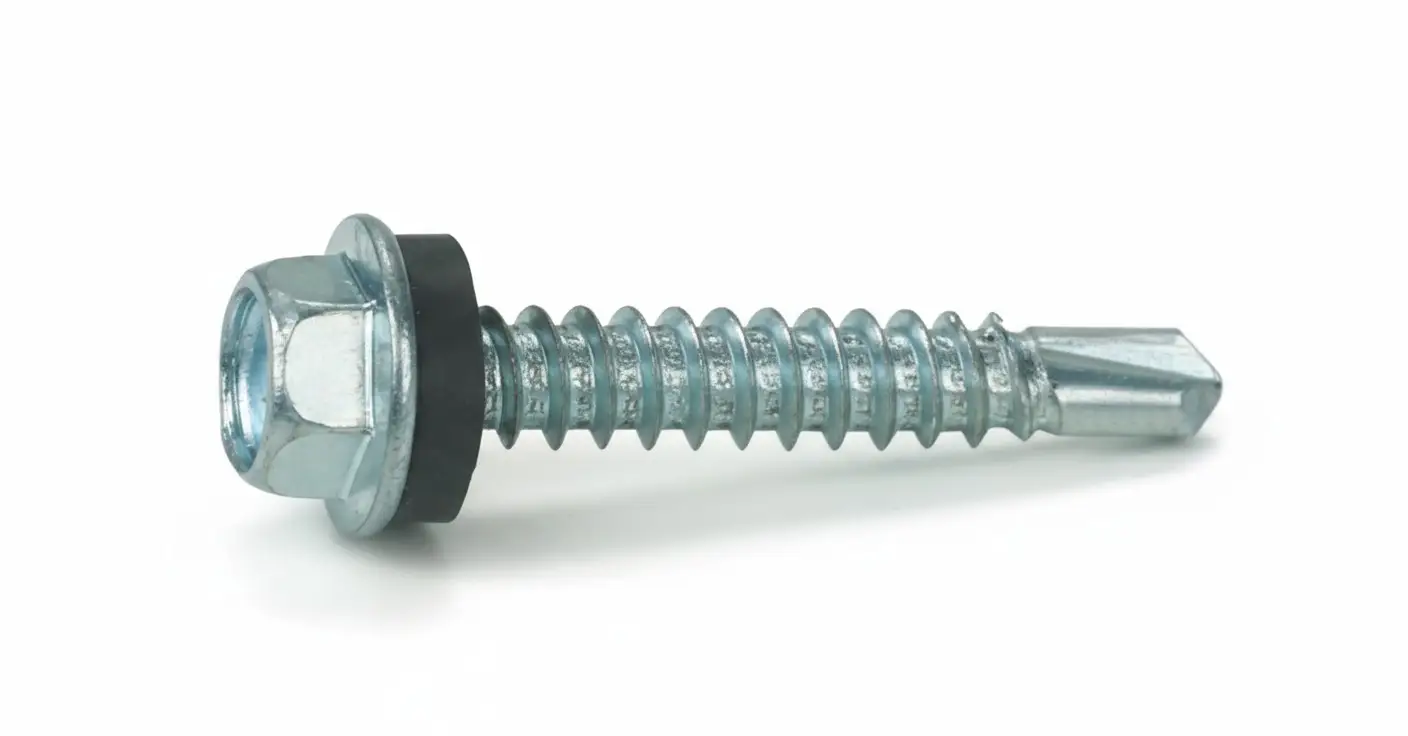
In short: Threads are defined by diameter, pitch and direction. Knowing the basic terms, when left-handed threads are used, and how to prevent galling helps you specify and install fasteners correctly.
See: HardwareTalk to our technical team
Threads are what make bolts, nuts and screws work, but the terminology can be confusing. Here are the essentials.
Key terms
- Major diameter: the largest diameter of the thread, measured over the crests. This is the nominal size, for example M10.
- Minor diameter: the smallest diameter, measured at the roots of the thread.
- Pitch: the distance between adjacent threads. An M10 coarse thread has a 1.5 mm pitch.
- Coarse threads: the standard choice. They are faster to assemble, less likely to cross-thread and more tolerant of damage.
- Fine threads: have a smaller pitch. They allow finer adjustment, give slightly higher strength for the same diameter, and resist loosening better, but are easier to damage.
- Thread engagement: the length of thread in contact between bolt and nut. Too little engagement risks stripping.
Left- and right-handed threads
Almost all threads are right-handed: they tighten clockwise. Left-handed threads tighten anticlockwise and are used where normal rotation would loosen a right-handed thread, such as on some rotating shafts, pedals and gas fittings. They are usually marked with a notch or an “L”.
Thread galling
Galling happens when the surfaces of the threads seize together during tightening, damaging the thread and making the fastener impossible to remove. It is most common with stainless steel, aluminium and titanium.
To prevent it:
- Tighten slowly and steadily; high speed generates heat.
- Use an anti-seize lubricant on stainless steel threads.
- Avoid damaged or dirty threads.
- Use different grades of stainless steel for the bolt and nut where possible.
Getting threads right is part of preventing failures. See Bolts vs Screws. Avlock’s hardware range covers screws, bolts and nuts for industrial use.