
That focus began with the introduction of the nylon expansion plug, a development that reshaped how the industry approached anchoring into concrete and masonry. Since then, fischer has continued to invest heavily in engineering, developing a broad portfolio of patented technologies and system-based solutions that are now specified across structural, façade and service installation environments worldwide.
New Product Alert
New Product Alert
New Product Alert
New Product Alert
New Product Alert
New Product Alert
New Product Alert


fischer has been part of the global construction and engineering landscape since 1948, building its reputation on fixing systems that perform consistently under real site conditions. Founded in Germany, the company has grown into one of the most recognised names in fastening technology, not through scale alone, but through a sustained focus on solving practical anchoring and installation challenges across a wide range of applications.
Today, fischer operates across major international markets, supported by a network of subsidiaries and distribution partners. Its strength lies in the integration of product design, approval systems and engineering support. Fixings are not treated as isolated components, but as part of complete systems designed to perform reliably in conditions that are often far from ideal, cracked concrete, variable substrates, tight tolerances and demanding installation environments.
Through Avlock International, these systems are now properly positioned within the South African market. Backed by local expertise and application support, fischer’s approach is brought closer to the realities of site conditions, project timelines and compliance requirements. It ensures the correct system is specified upfront, installed in line with design intent, and performs reliably over the life of the installation.
From Everyday Anchoring to Critical Applications
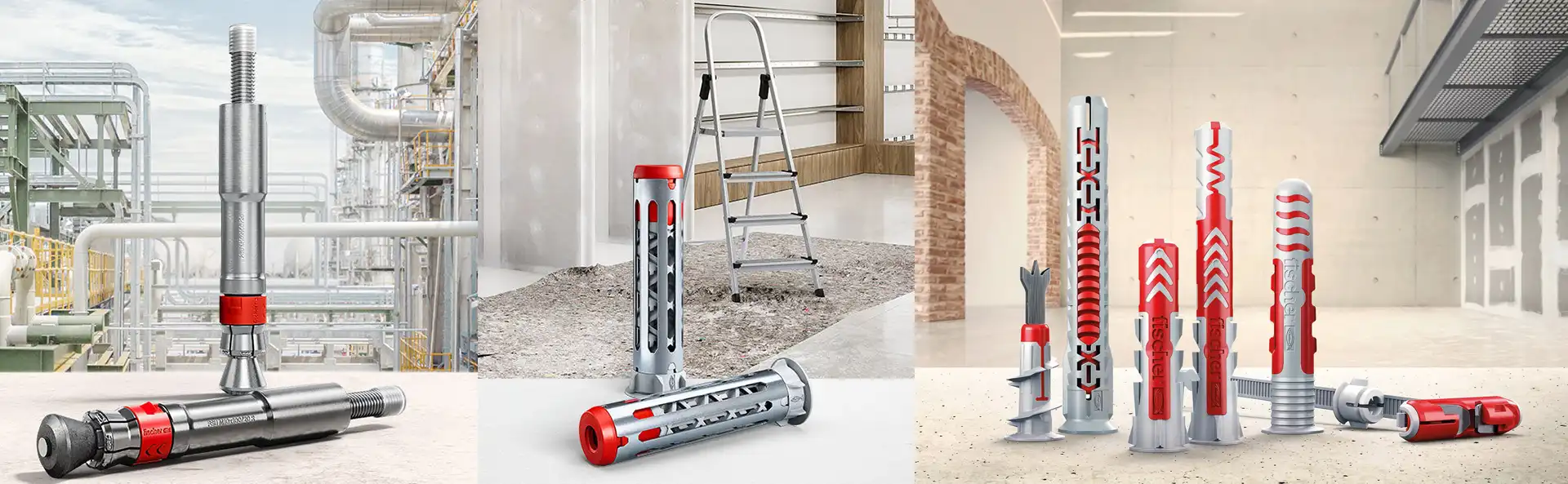
Steel fixings
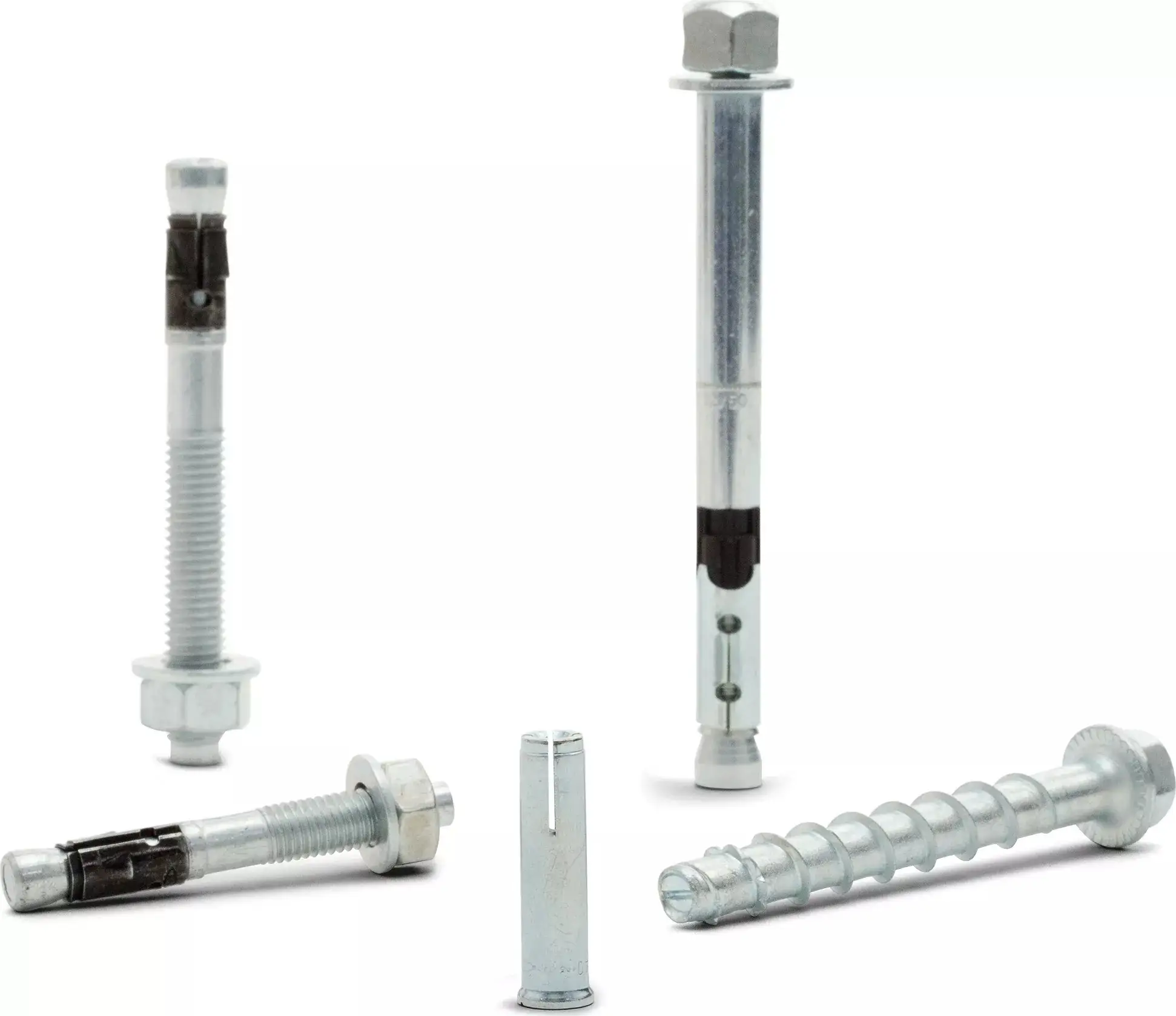
Used across structural steel connections, baseplates, plant installations and general anchoring into concrete, steel fixings sit at the core of both routine and heavy-duty construction. Their role becomes critical where anchoring is installed into cracked concrete, near edges, or under sustained and dynamic loads, where expansion forces, drilling tolerances and substrate variability can lead to cracking, pull-out or loss of alignment.
- FAZ II wedge anchors deliver verified performance in cracked concrete, not just ideal substrate conditions
- UltraCut concrete screws remove expansion stress entirely, allowing closer edge distances and reducing concrete damage
- Controlled torque behaviour limits installation error and over-tightening
- Broad ETA approvals simplify specification across load cases and safety-critical designs
- Consistent performance reduces rework and installation variability
Engineers specify these systems where load certainty and installation control cannot be compromised.
Chemical fixings
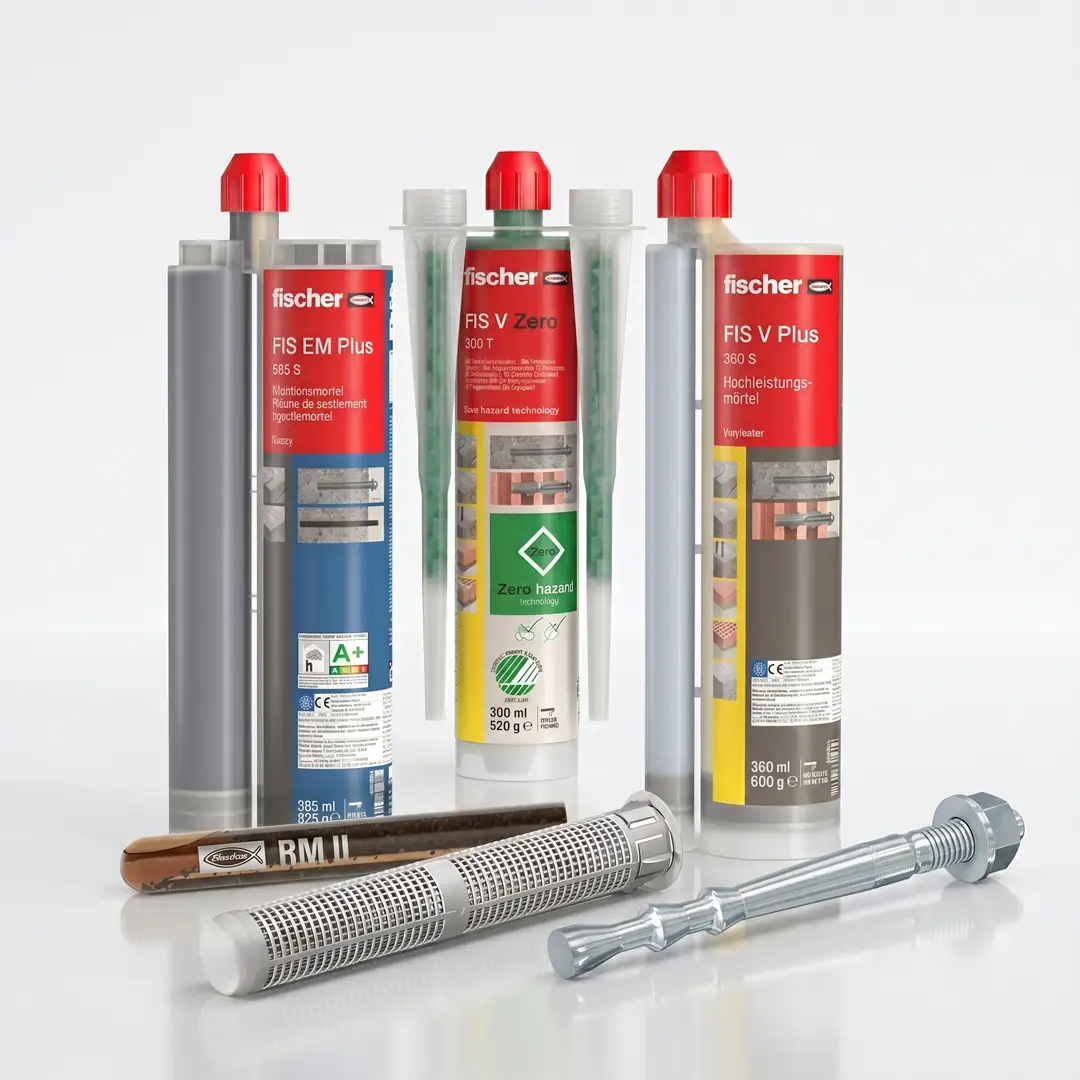
Used across structural anchoring, rebar connections and general fixing into concrete and masonry, chemical systems are widely applied where flexibility in positioning and high load transfer are required. Their importance increases in cracked substrates, edge-critical zones and deep embedment scenarios where mechanical expansion introduces stress and limits design freedom.
- FIS EM Plus achieves high load values in cracked concrete and seismic conditions
- Expansion-free anchoring avoids stress in the substrate, allowing tighter spacing and edge distances
- Suitable for post-installed rebar, enabling structural extensions and corrections
- Performs reliably in water-filled boreholes when installed correctly
- Long working times support complex or deep installations
This is the system of choice where precision anchoring and structural flexibility are required.
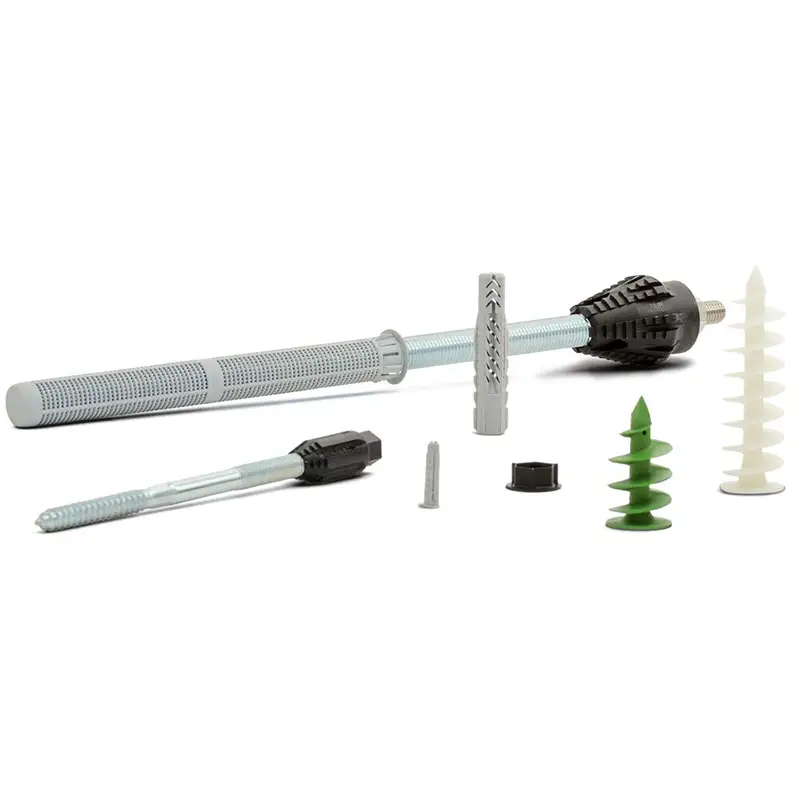
Standard nylon fixings
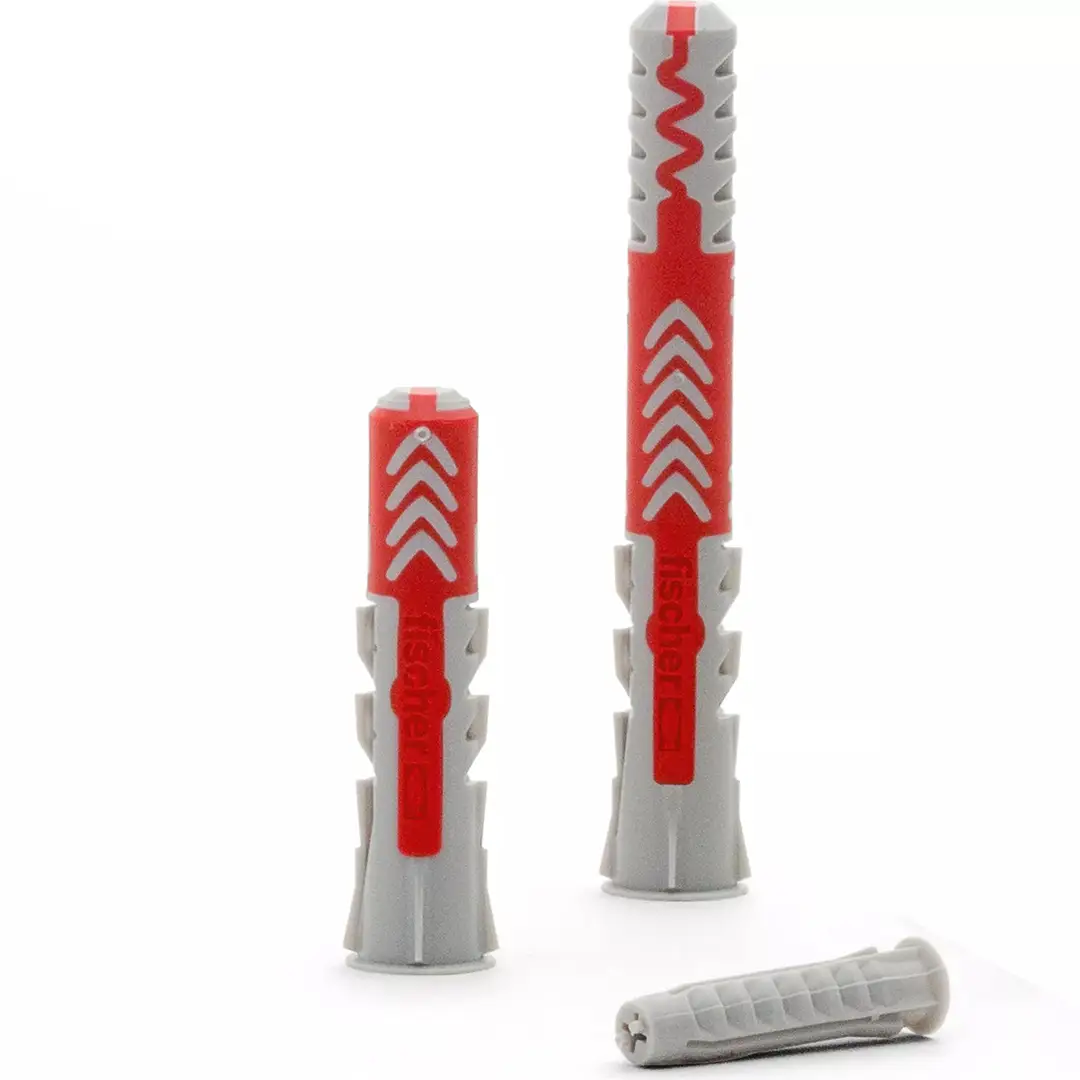
Used across concrete, brick, block and board materials, nylon fixings are present in almost every installation, from light-duty domestic work to commercial applications. Their importance becomes clear in mixed or unknown substrates where inconsistent material behaviour can lead to poor grip or pull-out.
- DuoPower adapts through expansion, folding or knotting depending on the substrate
- Two-component design improves load distribution and grip reliability
- Performs consistently across solid, hollow and board materials
- Reduces the need to switch between multiple fixing types
- Minimises installation error in variable site conditions
Contractors rely on these systems where substrate conditions are unpredictable.
Frame fixings
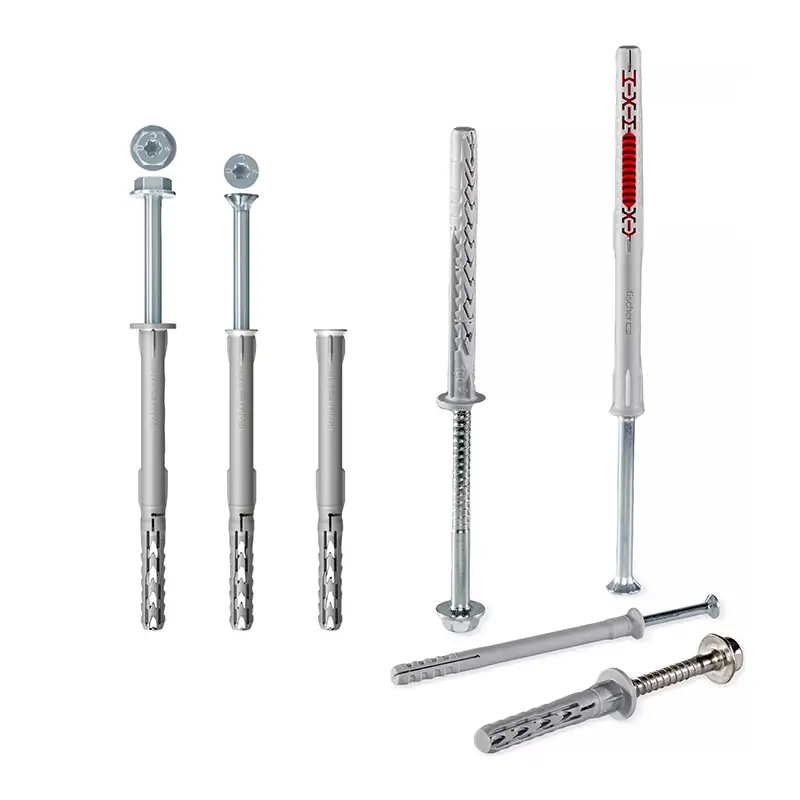
Used in window, door and façade frame installations into masonry and concrete, frame fixings are a standard part of building envelope work. Their role becomes critical where alignment, spacing and substrate consistency affect long-term performance and stability.
- SXR frame fixings provide controlled expansion without distorting frames
- Long anchorage depth ensures reliable hold in hollow and solid substrates
- Designed for through-fixing, reducing installation steps
- Maintains alignment in variable brick and blockwork conditions
- Reduces post-installation movement and call-backs
Installers depend on these systems for accurate, repeatable frame installation.
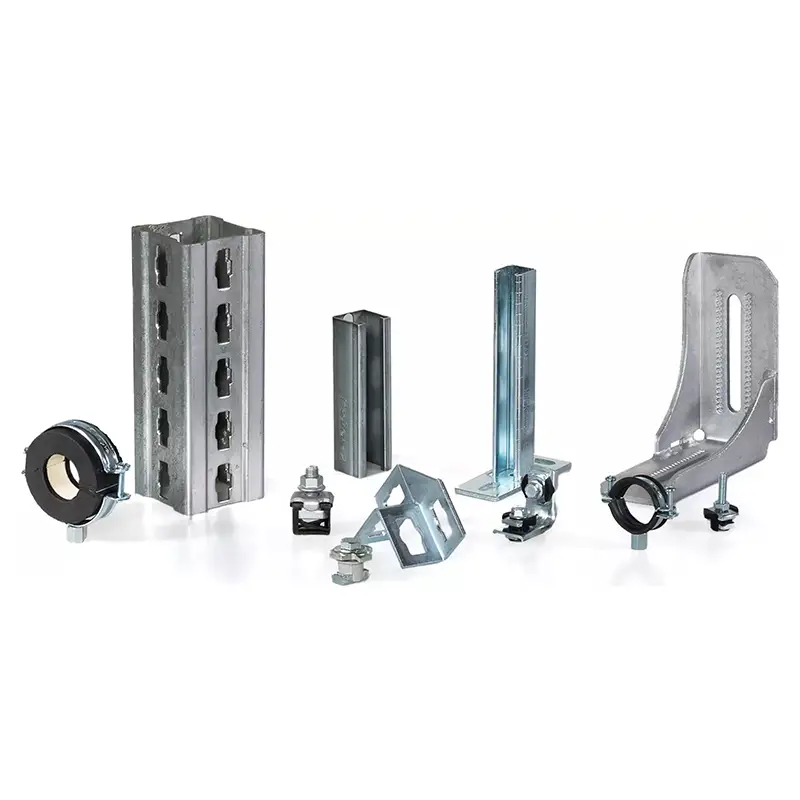
Installation systems
Used in mechanical, electrical and plumbing support structures, installation systems underpin the routing of services in commercial and industrial buildings. Their importance increases in complex layouts where load distribution, adjustability and coordination across trades are required.
- FUS channel systems allow modular adjustment on site
- Pre-calculated load data supports engineering design and compliance
- System components integrate seamlessly, reducing fabrication time
- Corrosion-resistant finishes extend service life in exposed conditions
- Supports multi-service installations across complex builds
These systems provide structure and flexibility in high-demand service environments.
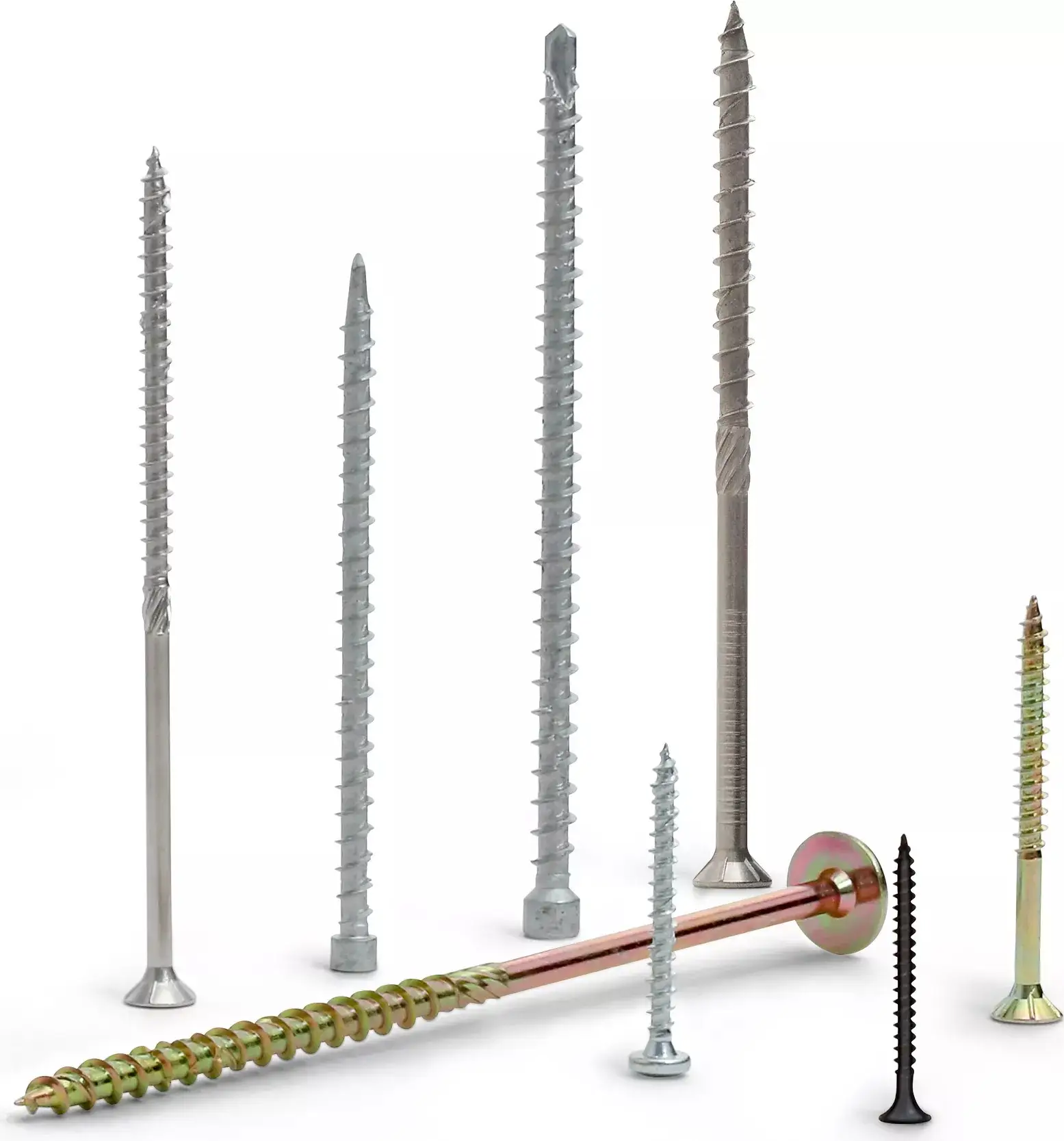
Screws
Used across timber, sheet metal and composite materials, screws are fundamental to almost every trade. Their role becomes critical where material splitting, poor grip or corrosion affects long-term performance.
- Optimised thread design improves pull-out strength and reduces splitting
- Corrosion-resistant coatings extend lifespan in external conditions
- Designed to integrate with fischer plugs for system reliability
- Controlled drive reduces cam-out and installation error
- Consistent quality across batch production
Tradespeople rely on predictable performance across materials and conditions.
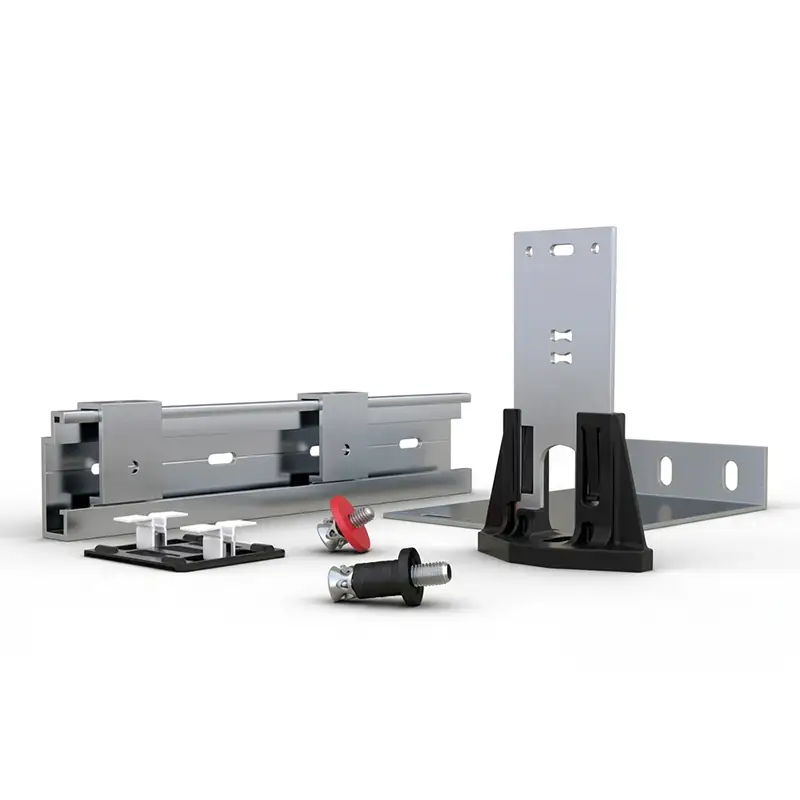
Façade systems
Used in ventilated façades and cladding applications, façade systems are central to modern building envelopes. Their importance increases under wind load, thermal movement and long-term exposure to environmental conditions.
- Designed to accommodate thermal expansion and façade movement
- Approved systems support compliance with façade engineering standards
- High-load anchors secure cladding under wind pressure
- Durable materials resist corrosion and environmental degradation
- Supports architectural flexibility without compromising safety
Façade specialists depend on these systems for long-term performance and compliance.
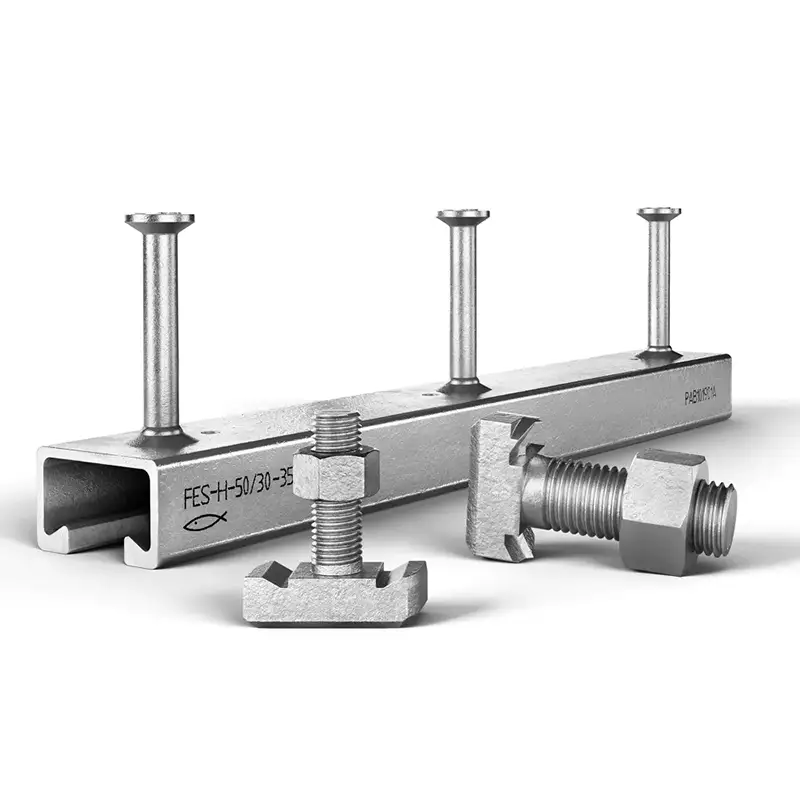
Cast-in Channel System
Used in concrete structures during the casting phase, these systems provide future fixing points for structural and non-structural elements. Their value increases in projects requiring flexibility after the concrete has cured.
- Installed during the pour, eliminating post-drilling
- Allows precise adjustment and positioning after installation
- Provides reliable load transfer in structural applications
- Reduces installation time in later construction phases
- Suitable for complex layouts requiring adaptability
Engineers specify these systems where flexibility and accuracy are essential.
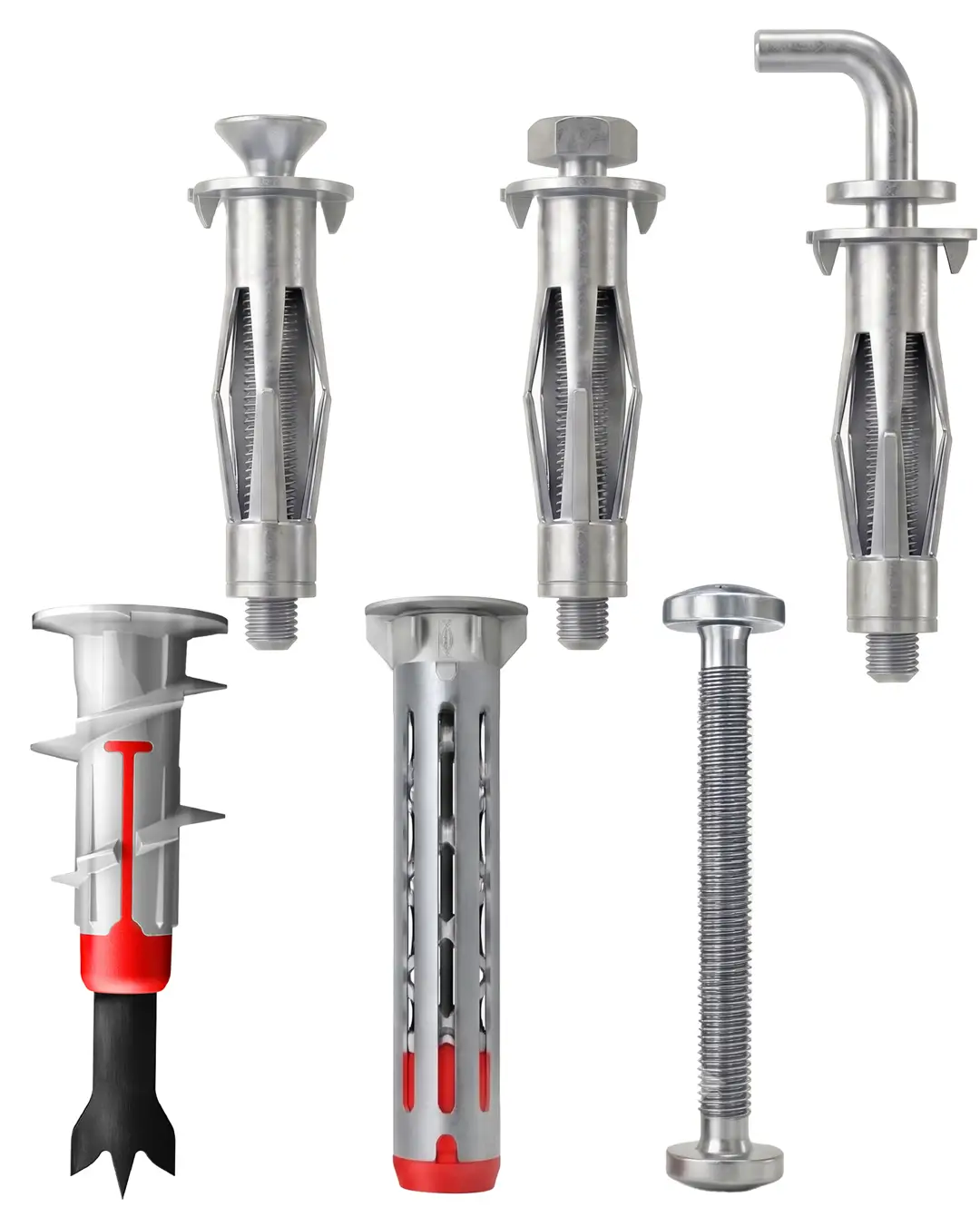
Cavity fixings
Used in plasterboard, hollow blocks and cavity walls, these fixings are essential where no solid substrate exists. Their importance becomes clear when poor anchoring leads to pull-through or failure under load.
- Expands or locks behind the substrate for secure hold
- Distributes load across a wider surface area
- Suitable for low-density and hollow materials
- Reduces risk of failure in lightweight construction
- Reliable performance in interior applications
Provides dependable anchoring where solid fixing points are absent.
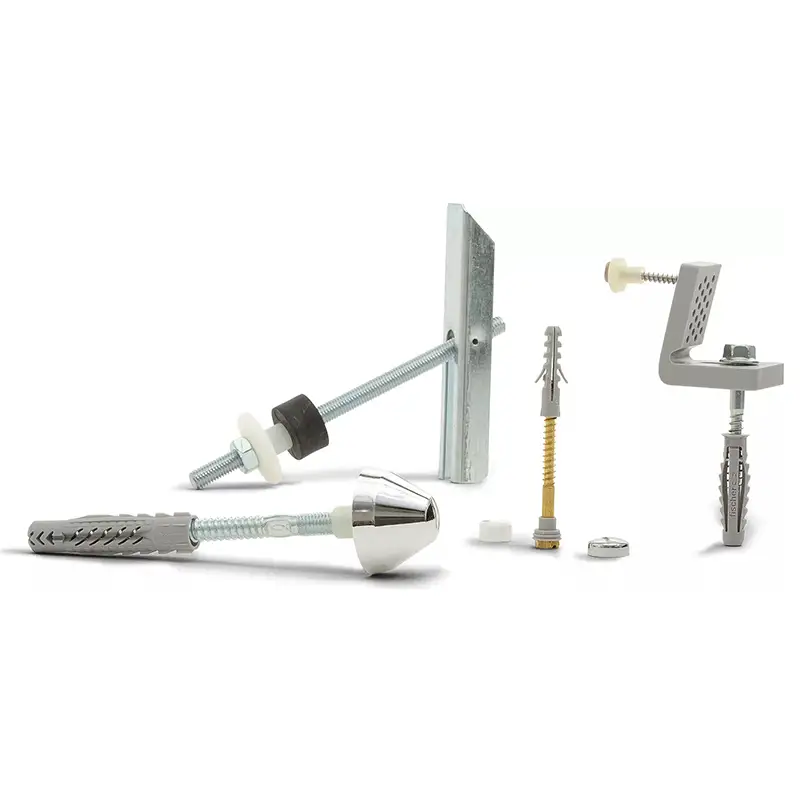
Sanitary fixings
Used in bathrooms and kitchens, sanitary fixings support the installation of basins, toilets and fixtures. Their role becomes critical in wet environments where corrosion and repeated loading affect durability.
- Complete fixing sets ensure correct installation
- Corrosion-resistant materials suit wet environments
- Designed for high load-bearing sanitary fixtures
- Compatible with multiple substrate types
- Reduces installation errors through system design
Ensures safe and durable installation of essential fixtures.
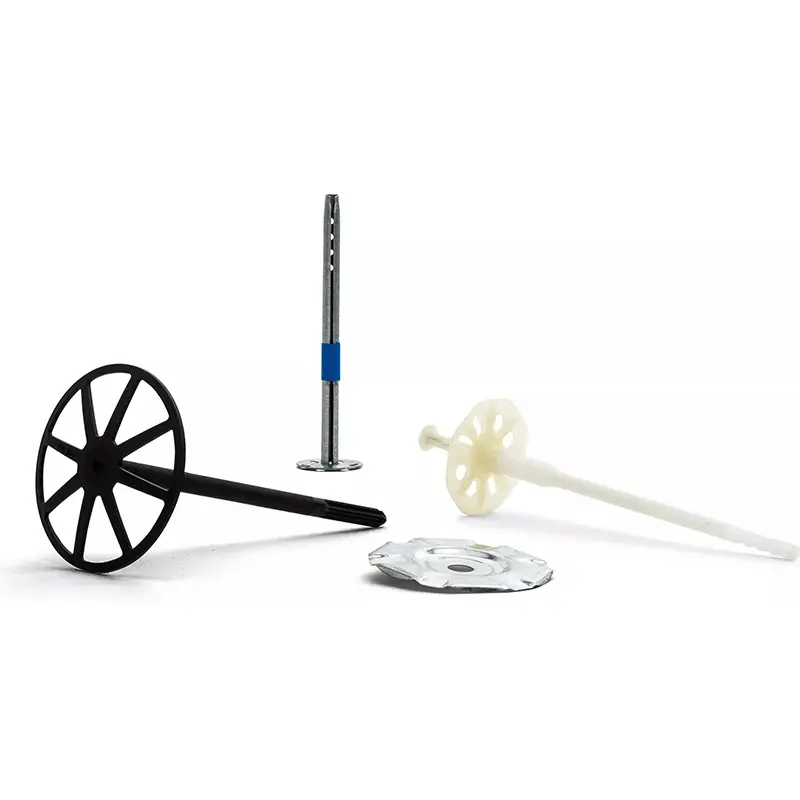
Insulation fixings
Used in façade insulation systems, these fixings secure thermal boards to building structures. Their importance increases where thermal performance and long-term stability must be maintained.
- Designed to minimise thermal bridging
- Secure hold across insulation materials and substrates
- Suitable for external and long-term exposure
- Compatible with façade systems
- Supports energy-efficient building performance
Maintains insulation integrity while ensuring secure attachment.
Fixation on ETICS / insulation
Used where fixtures must pass through insulation layers, these systems preserve both structure and thermal performance. Their role becomes critical where incorrect fixing compromises insulation systems.
- Prevents thermal bridging during installation
- Maintains integrity of insulation systems
- Provides secure fixing through layered materials
- Compatible with ETICS requirements
- Supports external fixture installation without damage
Ensures functionality without compromising energy efficiency.
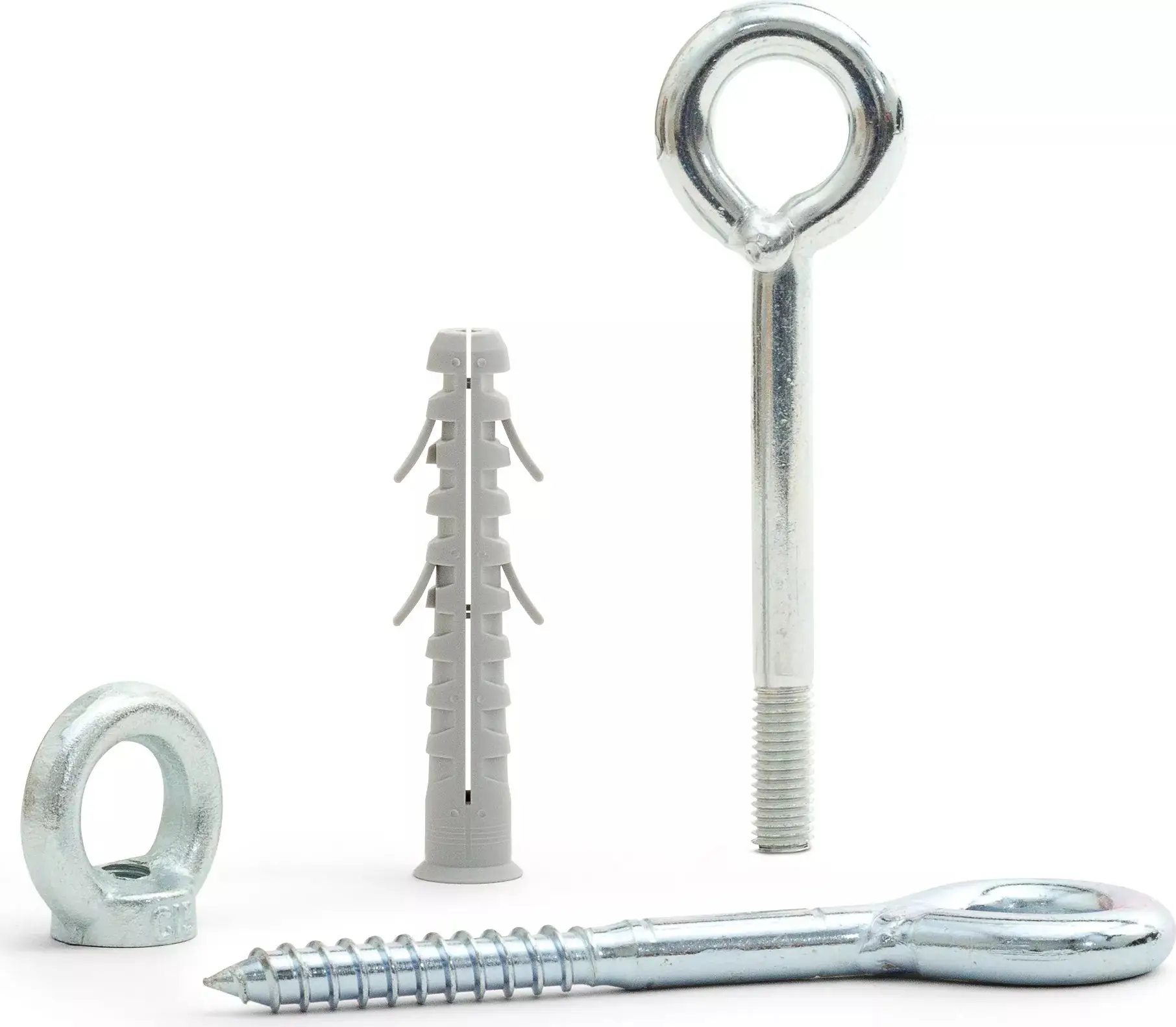
Scaffold anchors and eye fixings
Used in temporary works and access systems, these fixings provide secure anchor points for scaffolding and safety lines. Their importance increases in safety-critical environments.
- Reliable anchoring in concrete and masonry
- Designed for safety-critical load applications
- Easy installation and removal
- Suitable for repeated use
- Tested performance for site safety
Supports safe and stable working conditions.
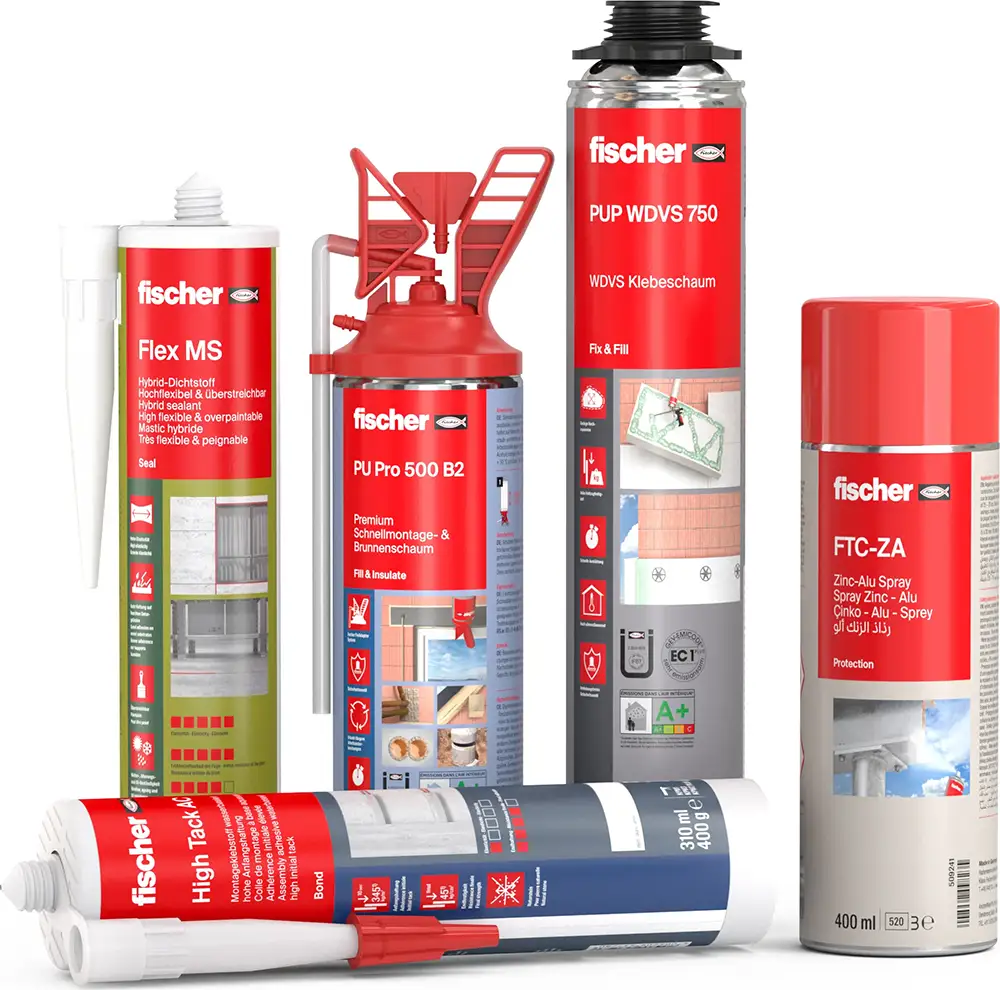
Construction chemicals
Used across bonding, sealing and preparation, construction chemicals support the performance of fixing systems. Their importance increases where surface preparation and durability affect long-term outcomes.
- Designed to complement fixing systems
- Improves adhesion and installation reliability
- Enhances durability of applications
- Suitable for varied construction environments
- Ensures consistent application results
Forms part of a complete system approach to construction.
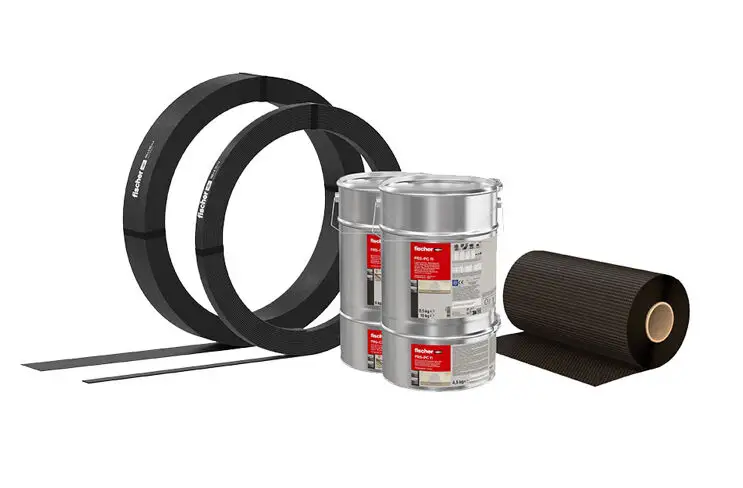
Renovation / strengthening
Used in structural repair and retrofitting, these systems restore and enhance existing structures. Their role becomes critical where load capacity must be improved without full reconstruction.
- Supports rebar connections and strengthening applications
- Enables structural upgrades in existing buildings
- Provides reliable load transfer in aged materials
- Approved systems support compliance
- Extends lifespan of structures
Engineers rely on these systems for safe structural upgrades.
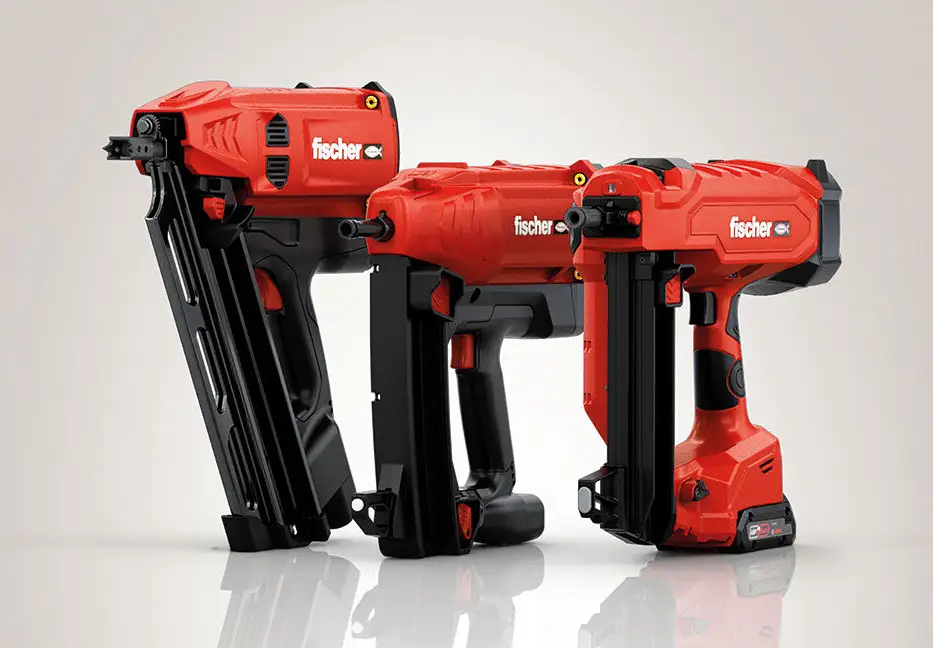
Power tools and accessories
Used in drilling, cleaning and installation, tools ensure correct application of fixing systems. Their importance increases where installation accuracy affects system performance.
- Designed specifically for fischer systems
- Includes cleaning tools for correct borehole preparation
- Reduces installation error and variability
- Improves speed and efficiency on site
- Ensures anchors perform as designed
Supports consistent, high-quality installation.
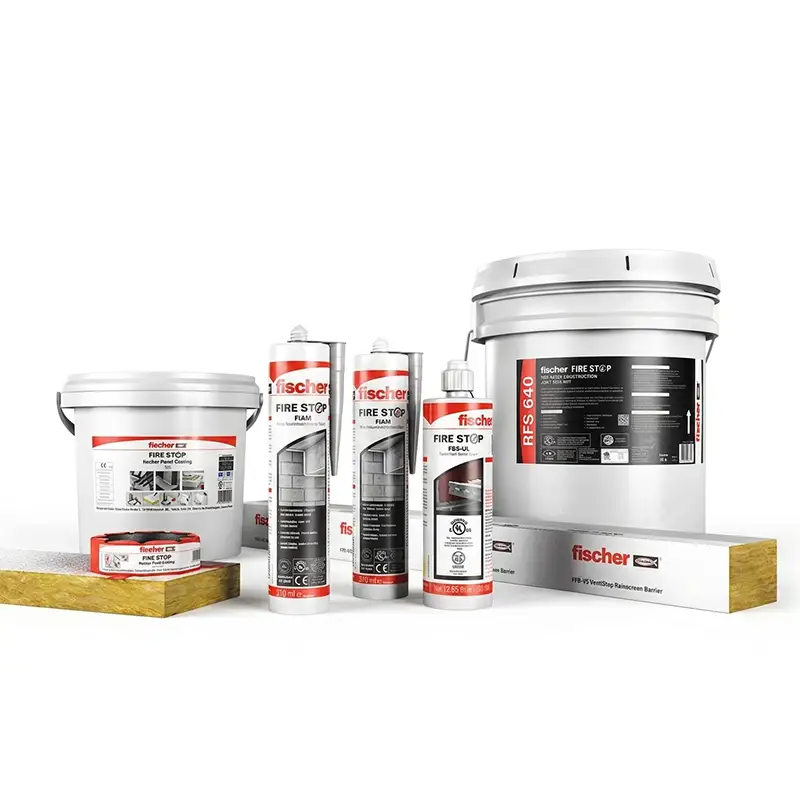
FireStop
Used in fire-rated walls and penetrations, FireStop systems prevent the spread of fire and smoke. Their role becomes critical in life-safety and compliance environments.
- Tested to international fire resistance standards
- Maintains compartmentalisation of buildings
- Suitable for service penetrations and joints
- Supports compliance with fire regulations
- Designed for long-term reliability
Protects both structure and occupants in fire scenarios.