
Fasteners for Sugar Mills
In short: Sugar mills combine moisture, chemicals, heat, abrasion and constant vibration. Fasteners need to be corrosion-resistant, high-strength and correctly specified to avoid breakdowns during the crushing season.
See: Heavy Engineering, HardwareTalk to our technical team
Sugar milling turns cane into sugar through crushers, conveyors, boilers and turbines that run hard for the whole crushing season. Fasteners hold that equipment together, and a failure at the wrong time means lost production.
Where fasteners are used
Fasteners assemble and secure crushers, conveyors, boilers, turbines, chutes and the steel structures around them. All of these are exposed to continuous stress, vibration and harsh conditions.
What sugar mill fasteners must withstand
- Corrosion. Moisture, cane juice, chemicals and steam create a highly corrosive environment. Stainless steel, zinc-coated and special-alloy fasteners resist rust and degradation.
- High loads. Heavy machinery and vibration need high-tensile fasteners, such as grade 8.8, 10.9 or 12.9 bolts, to stay reliable.
- Heat and pressure. Boilers, turbines and steam equipment need fasteners specified for high temperatures and pressures.
- Abrasion and wear. Fibrous material and fast-moving equipment wear fasteners down; suitable coatings and materials extend their life.
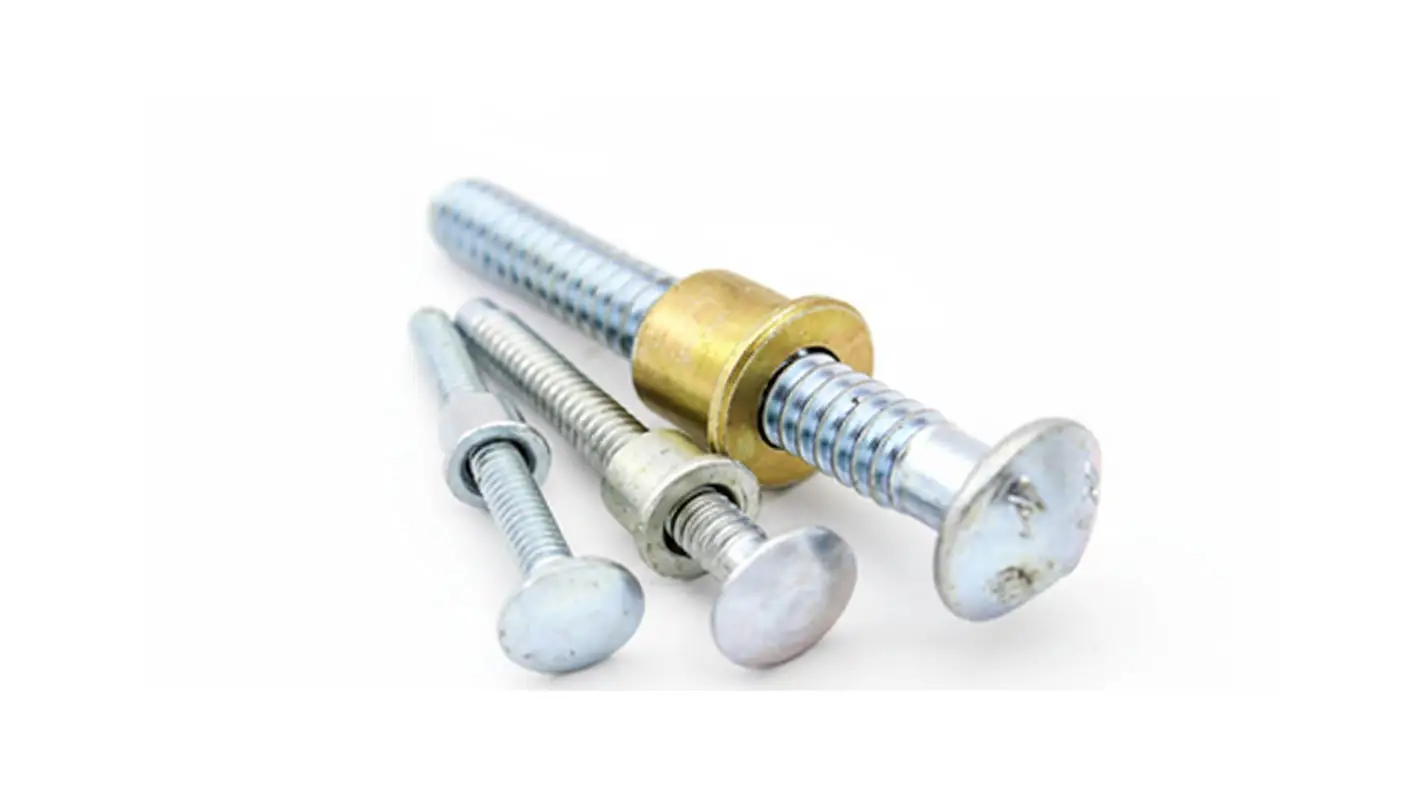
- Vibration. Constant vibration loosens conventional bolts. On screens, chutes and conveyor structures, vibration-proof lockbolts keep joints tight without retightening.
Why the right fastener matters
Poor fastener choices lead to unexpected failures, higher maintenance costs, production downtime and safety hazards. Sourcing certified, industrial-grade fasteners, and installing them correctly, avoids most of those problems.
Avlock supplies hardware and heavy engineering fastening systems for demanding industrial plants, with technical support on site.