
Fasteners in Aerospace
In short: Aerospace fasteners must be strong, light and utterly reliable under vibration, pressure and temperature changes. Rivets, structural blind fasteners and specialised bolts hold airframes and interiors together.
See: Light EngineeringTalk to our technical team
An aircraft contains hundreds of thousands of fasteners, and every one matters. Aerospace is one of the most demanding environments for fastening, which makes it a useful benchmark for what good fastening looks like anywhere.
What aerospace fasteners must deliver
- Strength with low weight: every gram counts, so fasteners are made from high-strength steels, titanium and aluminium alloys.
- Fatigue and vibration resistance: joints are loaded and unloaded through every flight.
- Reliability under extremes: pressure changes, temperature swings and moisture.
- Traceability and certification: every fastener must meet strict specifications.
Fasteners used in aerospace
- Solid rivets: the traditional backbone of airframe construction.
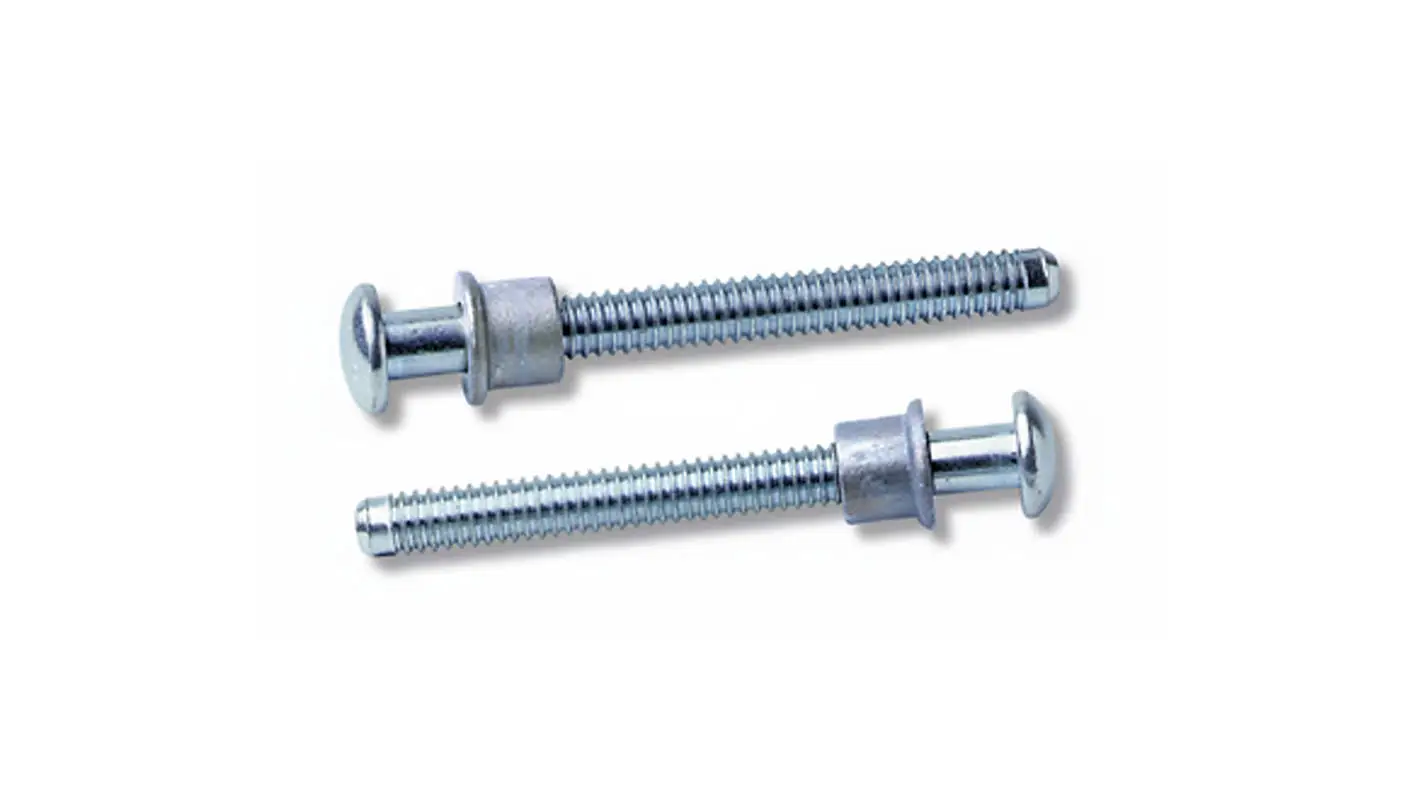
- Structural blind fasteners: for areas reachable from one side only.
- Specialised bolts and nuts: for engine mounts, landing gear and other high-load joints.
- Speed fasteners and blind rivets: in cabin interiors, seat frames and ductwork. See Speed Fasteners.
Lessons for every industry
The same principles apply far beyond aviation: choose the right fastener for the load, the material and the environment, install it correctly with the right tool, and inspect critical joints. Avlock’s structural breakstem fasteners bring this kind of strength and vibration resistance to transport, construction and manufacturing.
Avlock’s full range of blind rivets and structural fasteners is on the Light Engineering page.