
How to Choose the Right Rivet
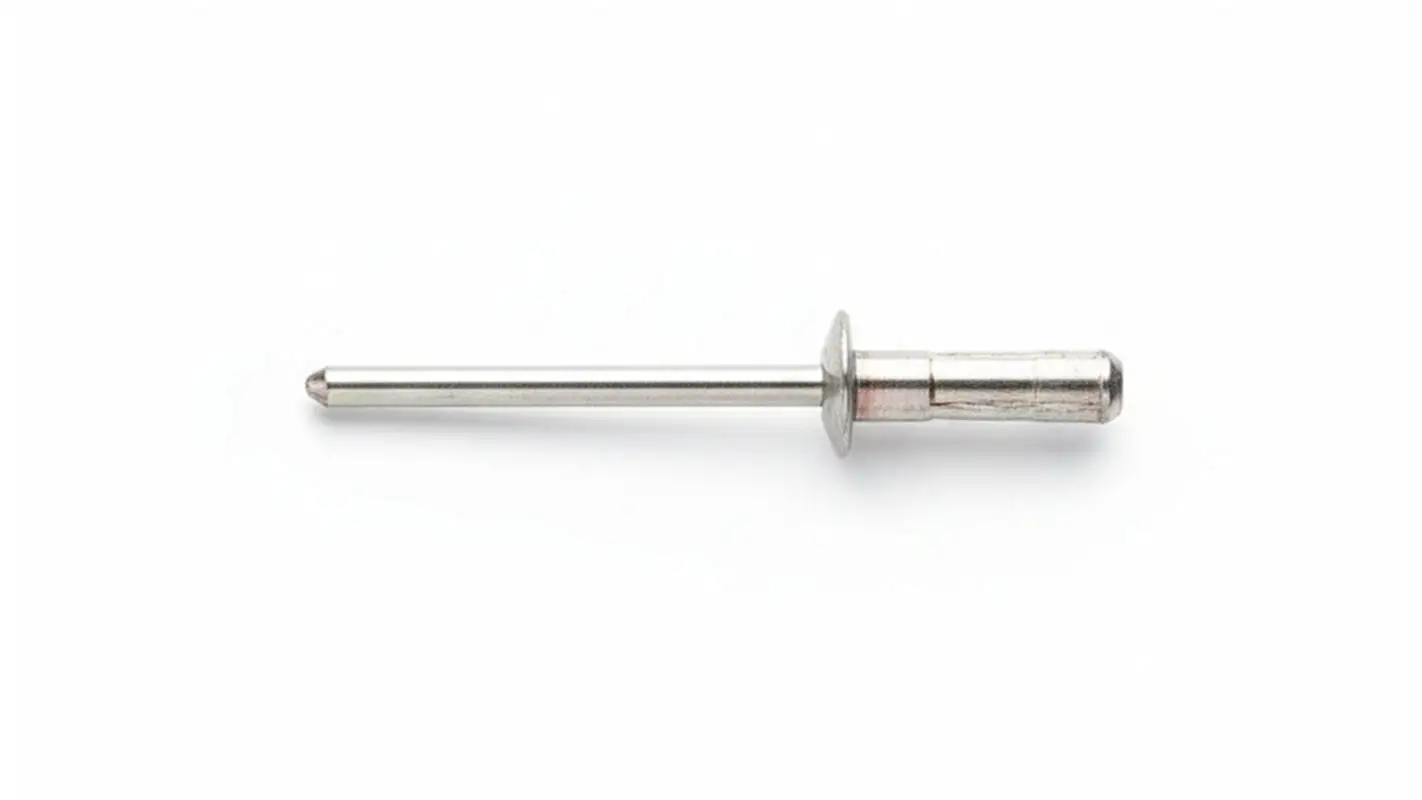
In short: Choose a rivet by the materials and their thickness, the load, the finish and access to the joint. Multi-grip rivets cover a wide range of thicknesses with one size, which simplifies stock and assembly.
See: Light Engineering, ToolingTalk to our technical team
The right rivet makes a strong, lasting joint; the wrong one can loosen, corrode or damage the material. Work through these points.
1. Material
Match the rivet material to the parts being joined: aluminium for aluminium, steel for steel, stainless steel for corrosive environments. Mixing metals can cause galvanic corrosion.
2. Grip range
The grip range is the total thickness of the materials being joined. Each rivet is designed for a specific range. Too short and it won’t form properly; too long and it won’t clamp tightly.
3. Diameter and load
Larger diameters carry more load. Check the shear and tensile strength needed for the joint.
4. Head style
- Dome head: the standard choice, with a larger bearing area.
- Countersunk head: sits flush for a smooth surface.
- Large flange: spreads the load on soft or thin materials.
5. Rivet type
- Multi-grip rivets: one size covers a wide range of thicknesses.
- Sealed rivets: watertight and airtight joints.
- Peel rivets and Bulbex®: soft, brittle or thin materials. See Sealed, Peel and Bulbex® Rivets.
- Structural fasteners: higher loads and vibration. See Structural Breakstem Fasteners.
Why multi-grip rivets are popular
One multi-grip rivet replaces several standard sizes, so you hold less stock, make fewer selection mistakes and assemble faster when material thicknesses vary.
Avlock’s Light Engineering range covers all of these, with hand, pneumatic and battery riveting tools.