
Pneumatic Tools: Advantages and Care
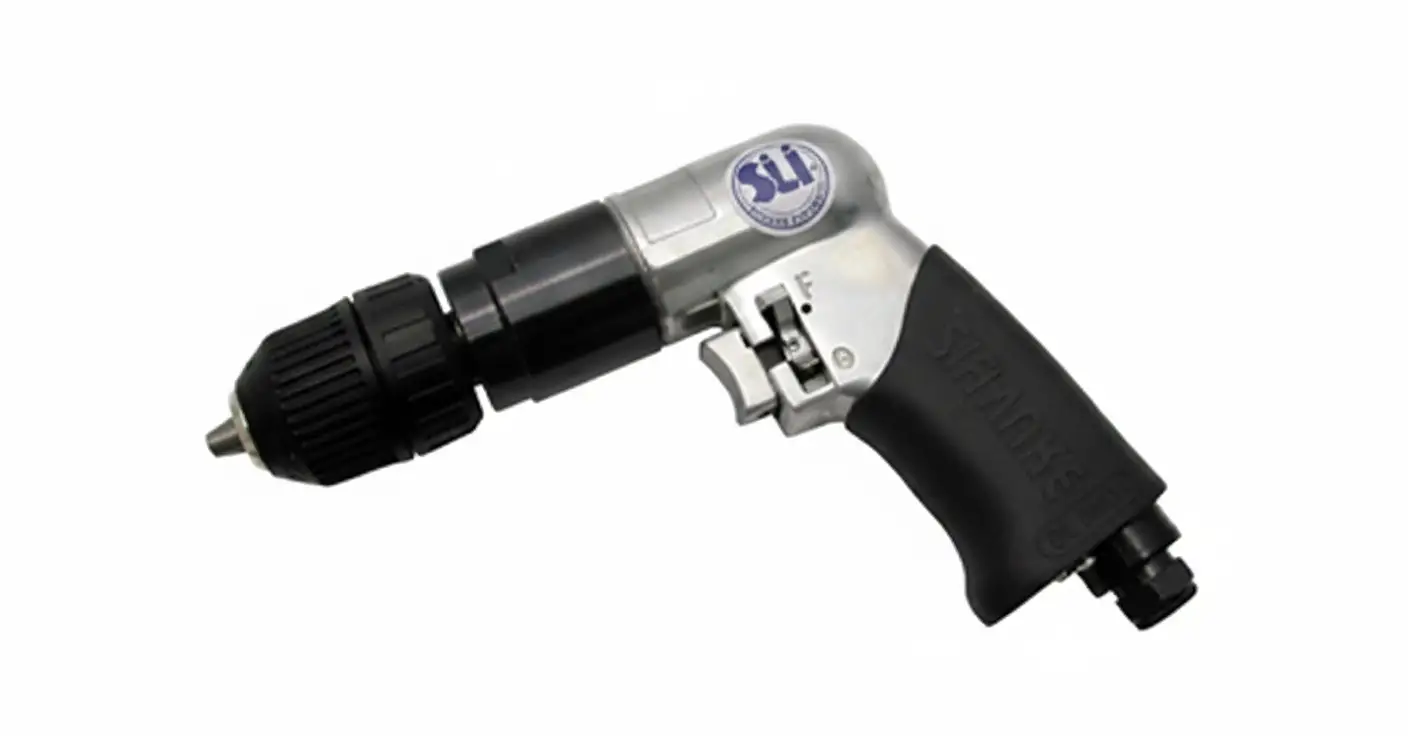
In short: Air tools are light, powerful and durable, which makes them ideal for repetitive industrial work. Clean, dry, lubricated air and simple routine care keep them running for years.
See: ToolingTalk to our technical team
Pneumatic tools run on compressed air instead of an electric motor. In workshops and production lines they are often the first choice for drilling, grinding, riveting and fastening.
Advantages of pneumatic tools
- High power for their weight: less operator fatigue on repetitive work.
- Durability: fewer internal parts to wear out or burn out than electric tools.
- Safety: no electric motor in the tool, and less risk of overheating.
- Consistency: steady speed and torque for repeatable results.
- Versatility: one compressor can run drills, grinders, sanders, impact wrenches and riveting tools.
Looking after air tools and drills
- Clean, dry air: fit a filter and drain water from the compressor and lines regularly. Moisture causes rust and wear.
- Lubrication: add a few drops of air-tool oil daily, or use an inline lubricator.
- Correct pressure: run tools at the pressure the manufacturer specifies. Too high causes wear; too low reduces performance.
- Inspect hoses and fittings for leaks and damage.
- Keep drill bits sharp, use the right bit for the material, and don’t force the tool.
- Store tools clean and dry, and have them serviced regularly.
Avlock supplies a range of pneumatic tools, including Sumake air drills, grinders, sanders and impact wrenches, with servicing and repairs from its own workshop.