
Fasteners in Electronics and HVAC Ducting
In short: Electronics and HVAC ducting both join thin sheet metal, often from one side. Blind rivets, sealed rivets and rivet nuts give secure, neat joints that resist vibration and, where needed, keep air and moisture out.
See: Light Engineering, ToolingTalk to our technical team
Electronic enclosures and air-conditioning ducting have more in common than it seems: both are made largely from thin sheet metal, both are often assembled from one side, and both need joints that stay secure under vibration.
Fasteners in electronics
Electronic devices and enclosures use fasteners to mount circuit boards, heat sinks, panels and casings. What matters:
- Thin materials: fasteners must clamp securely without distorting thin sheet.
- Access: many enclosures can only be reached from one side, which suits blind rivets.
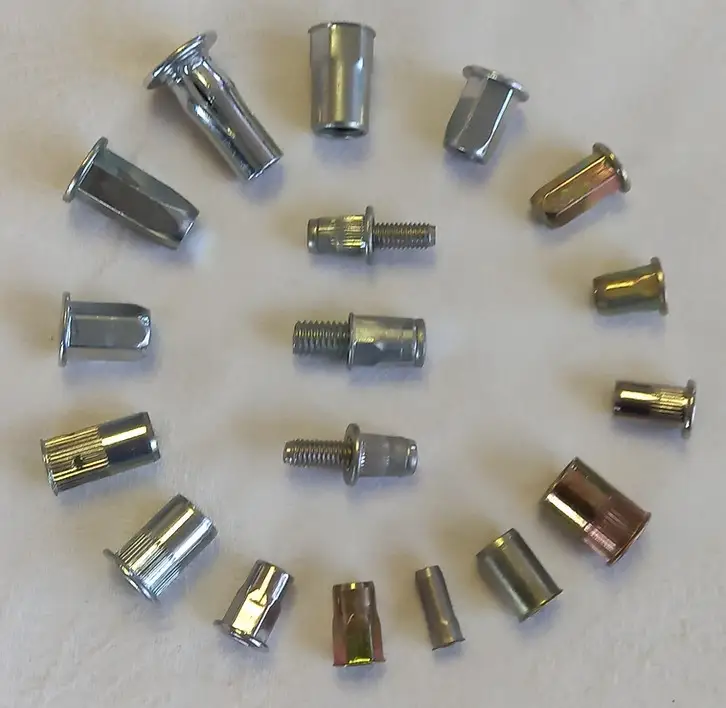
- Serviceability: where a panel must be removable, a rivet nut gives a strong thread in thin metal.
- Materials: the fastener material should suit the parts, to avoid corrosion between dissimilar metals.
Fasteners in HVAC ducting
Air-conditioning and ventilation ducts must be strong, rigid and airtight:
- Sealed rivets close the mandrel end, so air does not leak through the joint.
- Multi-grip rivets cover a range of sheet thicknesses with one size, which speeds up installation.
- Self-drilling screws suit hangers and supports.
- Vibration resistance keeps joints tight as fans and air flow cause constant movement.
Installation
Quick, consistent installation keeps costs down on large ducting jobs. Pneumatic riveting tools install blind rivets and rivet nuts fast and to the same standard every time.
Avlock supplies blind rivets, sealed rivets and rivet nuts, with the tools to install them.